Understanding Skin Renewal Through Chemical Peels
Healthy, balanced skin plays an important role in confidence and overall well-being. Over time, however, factors such as sun exposure, environmental stress, aging, and lifestyle habits can affect skin texture and tone. Among the many dermatological treatments available today, Chemical peels Hudson FL have remained a trusted option for improving skin clarity and smoothness when used thoughtfully and under professional guidance.
In coastal and sun-rich areas like Hudson, Florida, skin concerns such as uneven pigmentation, fine lines, and dullness are common. Understanding how chemical peels work, who they benefit, and what to expect can help individuals make informed decisions about their skincare journey.
Understanding Chemical Peels
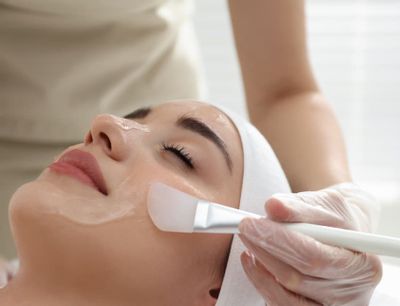
Chemical peels are skin-resurfacing treatments that use carefully formulated solutions to exfoliate the outer layers of the skin. By removing damaged surface cells, peels encourage the regeneration of healthier skin beneath. This process supports a brighter complexion, smoother texture, and more even tone.
The concept behind chemical peels is simple but effective. As older skin cells are shed, the body’s natural renewal process is stimulated. New cells rise to the surface, often appearing clearer and more refined. Depending on the formulation and strength, chemical peels can address both superficial and deeper skin concerns.
Why Skin in Hudson Faces Unique Challenges
Living in Florida means enjoying abundant sunshine, warm weather, and outdoor activities year-round. While these benefits are appealing, prolonged sun exposure can accelerate skin aging and contribute to pigmentation issues. Humidity, salt air, and fluctuating temperatures may also affect the skin barrier.
For residents seeking professional exfoliation options, Chemical peels Hudson FL has become a commonly explored solution for addressing sun-related skin damage and maintaining a refreshed appearance. These treatments are often selected for their ability to target specific concerns while being adaptable to different skin types.
Types of Chemical Peels
Chemical peels are generally categorized based on their depth and intensity. Understanding these categories helps set realistic expectations and ensures appropriate treatment selection.
Superficial Peels
Superficial peels focus on the outermost layer of skin. They often use mild acids such as alpha-hydroxy acids (AHAs). These peels are commonly chosen for:
- Mild discoloration
- Rough texture
- Early signs of aging
- Dull or tired-looking skin
They typically involve minimal downtime and are suitable for regular skin maintenance.
Medium Peels
Medium-depth peels penetrate further into the skin layers. They are often used to address:
- Moderate sun damage
- Fine lines and wrinkles
- Acne scarring
- Uneven pigmentation
Recovery time may be slightly longer, with visible peeling occurring over several days.
Deep Peels
Deep peels are more intensive and reach deeper skin layers. They are generally reserved for more advanced concerns such as deep wrinkles or significant discoloration. These peels require careful evaluation, longer recovery, and strict aftercare.
Common Skin Concerns Addressed
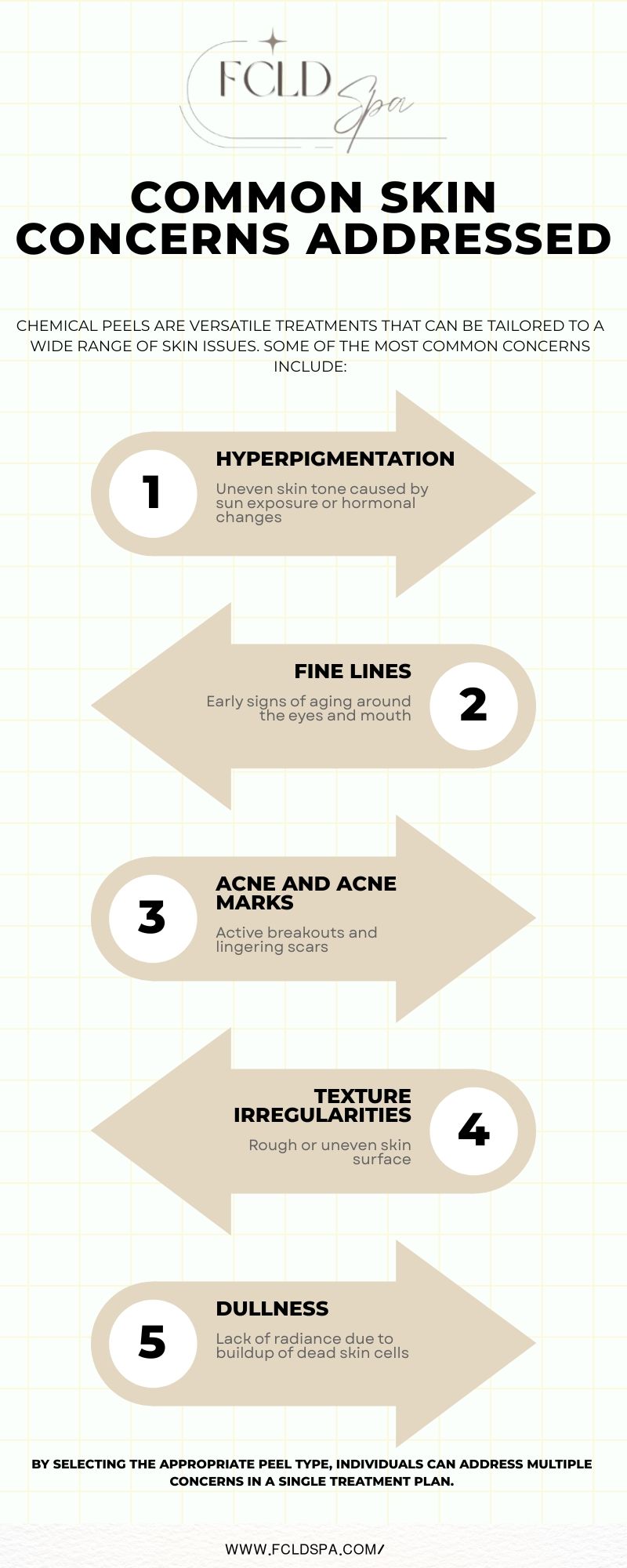
Chemical peels are versatile treatments that can be tailored to a wide range of skin issues. Some of the most common concerns include:
- Hyperpigmentation: Uneven skin tone caused by sun exposure or hormonal changes
- Fine Lines: Early signs of aging around the eyes and mouth
- Acne and Acne Marks: Active breakouts and lingering scars
- Texture Irregularities: Rough or uneven skin surface
- Dullness: Lack of radiance due to buildup of dead skin cells
By selecting the appropriate peel type, individuals can address multiple concerns in a single treatment plan.
The Treatment Process Explained
A chemical peel session generally follows a structured process to ensure safety and effectiveness.
- Skin Assessment: The skin is evaluated to determine suitability and select the appropriate peel strength.
- Preparation: The skin is cleansed to remove oils and impurities.
- Application: The chemical solution is applied evenly and left on for a controlled period.
- Neutralization and Removal: The solution is neutralized or removed to stop the exfoliation process.
- Aftercare Guidance: Post-treatment instructions are provided to support healing and results.
Each step is designed to maximize benefits while minimizing irritation.
What to Expect After a Chemical Peel
Post-treatment experiences vary depending on the peel depth. Mild peels may cause slight redness or dryness, while deeper peels may result in visible peeling and sensitivity for several days.
Common aftercare recommendations include:
- Avoiding direct sun exposure
- Using gentle skincare products
- Keeping the skin moisturized
- Applying sunscreen regularly
Patience is important, as the most noticeable improvements often appear gradually as the skin renews itself.
Frequency and Long-Term Benefits
The frequency of chemical peels depends on individual skin goals and the type of peel used. Superficial peels may be performed in a series, while deeper peels are typically spaced further apart.
With consistent care, chemical peels can offer long-term benefits such as:
- Improved skin clarity
- More even tone
- Enhanced smoothness
- Refreshed overall appearance
Many people incorporate peels into their broader skincare routines to maintain results over time.
Who Should Consider Chemical Peels
Chemical peels may be suitable for individuals looking to improve skin tone and texture without invasive procedures. However, they may not be appropriate for everyone. Those with certain skin conditions, active infections, or extreme sensitivity should seek professional advice before proceeding.
In regions like Hudson, where sun exposure is frequent, proper assessment and post-treatment care are especially important. For those exploring Chemical peels Hudson FL, understanding personal skin needs and committing to aftercare can make a meaningful difference in outcomes.
Myths and Misconceptions
Despite their popularity, chemical peels are sometimes misunderstood. Common myths include the idea that peels thin the skin or cause permanent sensitivity. In reality, when performed correctly, peels support healthy skin regeneration.
Another misconception is that chemical peels are only for aging skin. In fact, they can be beneficial for adults of various ages dealing with acne, uneven texture, or sun damage.
Integrating Chemical Peels Into a Skincare Routine
Chemical peels work best as part of a balanced skincare approach. Gentle cleansing, consistent sun protection, hydration, and healthy lifestyle habits all contribute to maintaining results.
Avoiding over-exfoliation and allowing the skin adequate recovery time are key factors. When used responsibly, chemical peels can complement other non-invasive skin treatments and daily care practices.
Environmental and Lifestyle Considerations
Lifestyle choices such as diet, hydration, stress management, and sleep also influence skin health. In coastal Florida environments, protecting the skin from UV exposure and environmental pollutants is particularly important.
Those considering Chemical peels Hudson FL often find that combining professional treatments with mindful daily habits leads to more sustainable improvements.
Chemical peels remain a well-established option for individuals seeking smoother, clearer, and more balanced skin. By understanding the different peel types, realistic expectations, and the importance of aftercare, people can approach this treatment with confidence and clarity.
For residents of Hudson and surrounding areas, Chemical peels offer a structured and adaptable approach to addressing common skin concerns influenced by sun exposure and environmental factors. When chosen thoughtfully, they can be a valuable part of long-term skin wellness.